Yesterday I paddled from Vancouver to Squamish, just over 60km in about 9.5 hours. When my friend Morgan drove me back to Vancouver after paddling the last leg with me from Porteau Cove, the distance seemed far greater by road than it had on the water (though it only took a fraction of the time by car).
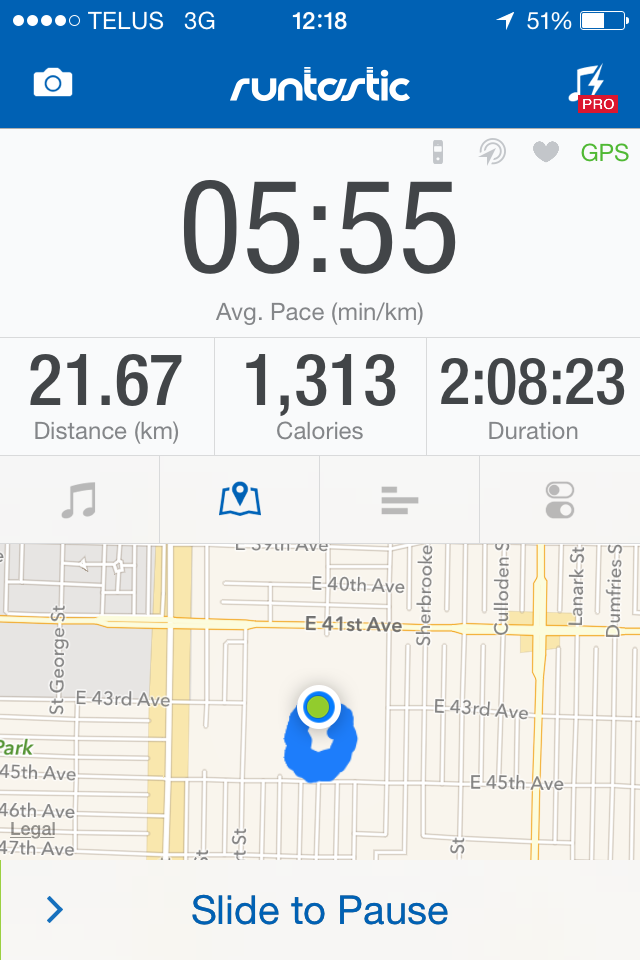
Route tracked on my Delorme inReach.
Morgan, (who has volunteered to be my support crew in the Yukon) dropped me at Vanier Park at 6:30am and then headed off to work while I packed my boat with all my gear and set off on the water.
Unfortunately I realised the P&H Cetus LV, which I’d opted to paddle after various rental challenges and a week long debate with my friend Dave (who I swear never wants to engage in conversations involving boat choices again), simply was not the right boat to use on a trip of that distance.
My mood was a little tarnished from the time and energy lost in the swap (2 hours and 6 additional kilometres), but I was surprised at how quickly I managed to enter the sound for the slow grind up to Porteau Cove to meet Morgan.
Having company for the final leg was tremendous, especially as Morgan has a delightful sense of humour, which will certainly come in handy when I arrive in Carmacks at the half way point on the Yukon after 25-30 hours of paddling. Morgan and I immediately became friends when he started working at the store after his 2015 PCT hike, and we’ve since come to find our combined sense of adventure has truly cemented our friendship.
Morgan adopted my plastic Jura for his leg of the journey.
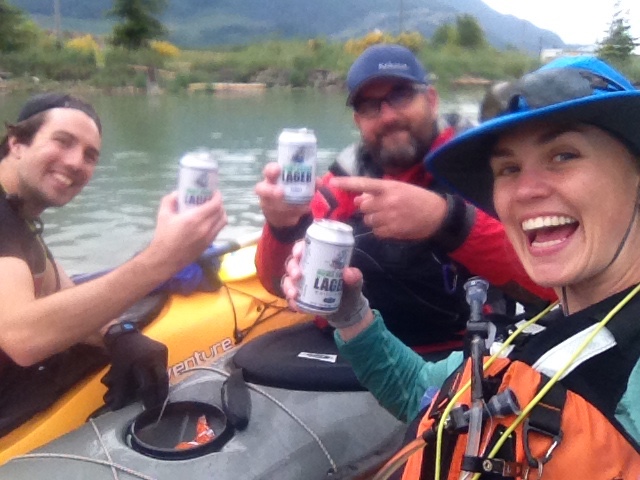
To top off the experience our friend Dave (who also works at the store), paddled out to meet us just prior to entering Squamish. He laughed about the debacle of my boat choice, and brought Hobnob biscuits and Howe Sound beer to celebrate. Dave was the inspiration for the trip, suggesting that if paddled all the way to his hometown he’d buy me beer and drive me back to Vancouver. Challenge accepted Dave! Thanks for the motivation (and for donating or lending me at least half of the gear I own)!
Morgan, Dave and I celebrating with a Howe Sound Lager at the completion of the trip.
I learned with great sadness today that Steven Olshansky, our beloved Otter, was found deceased at a campground in Northern New Mexico this weekend by north bounding CDT hikers.
His family have posted a short note on his search page, which links to the article published yesterday in the Albuquerque Journal.
My heart goes out to his family and friends who have been investigating his disappearance since November last year, and have been keeping us up to date with their investigations while living this nightmare for so many months.
I want to thank everyone who shared details of his disappearance so far and wide through Facebook and other channels. If you’d like to send a message to his family and friends, please leave a comment on this posting and I will share it with his sister Miranda, who kindly kept in touch with me throughout this agonising ordeal.
Rest in peace dear Otter, as you always said, “Life is a hike.”
May your legend and spirit live on through the trails of life.
I left the house at 5am yesterday and returned home just before midnight, having paddled 140km from Hope to Burnaby without exiting my kayak. Our goal was to make it all the way to Vancouver, but what we thought would be a 120km paddle turned into more, and after 13 hours on the water we found ourselves navigating under bridges, past barges and avoiding tug boats pulling log booms in complete darkness.
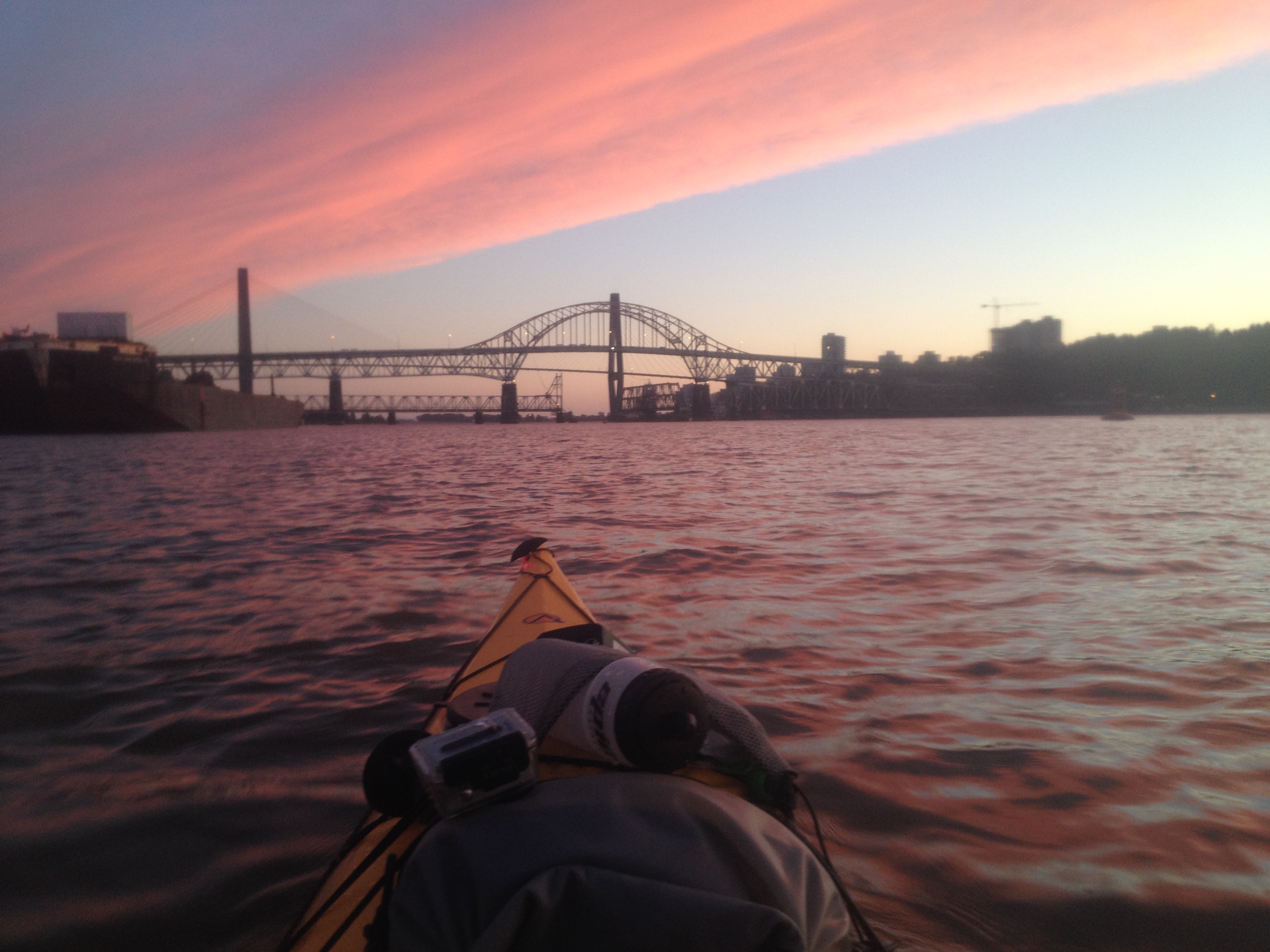
Approaching the Pattullo Bridge, New Westminster
The paddle was perfect training for the Yukon, and I have to say this morning I’m in surprisingly good shape. I ate a ton, kept myself well hydrated, and paddled at a steady pace, stopping to stretch, pee, apply sunscreen, and generally ‘faff’ quite frequently throughout the day.
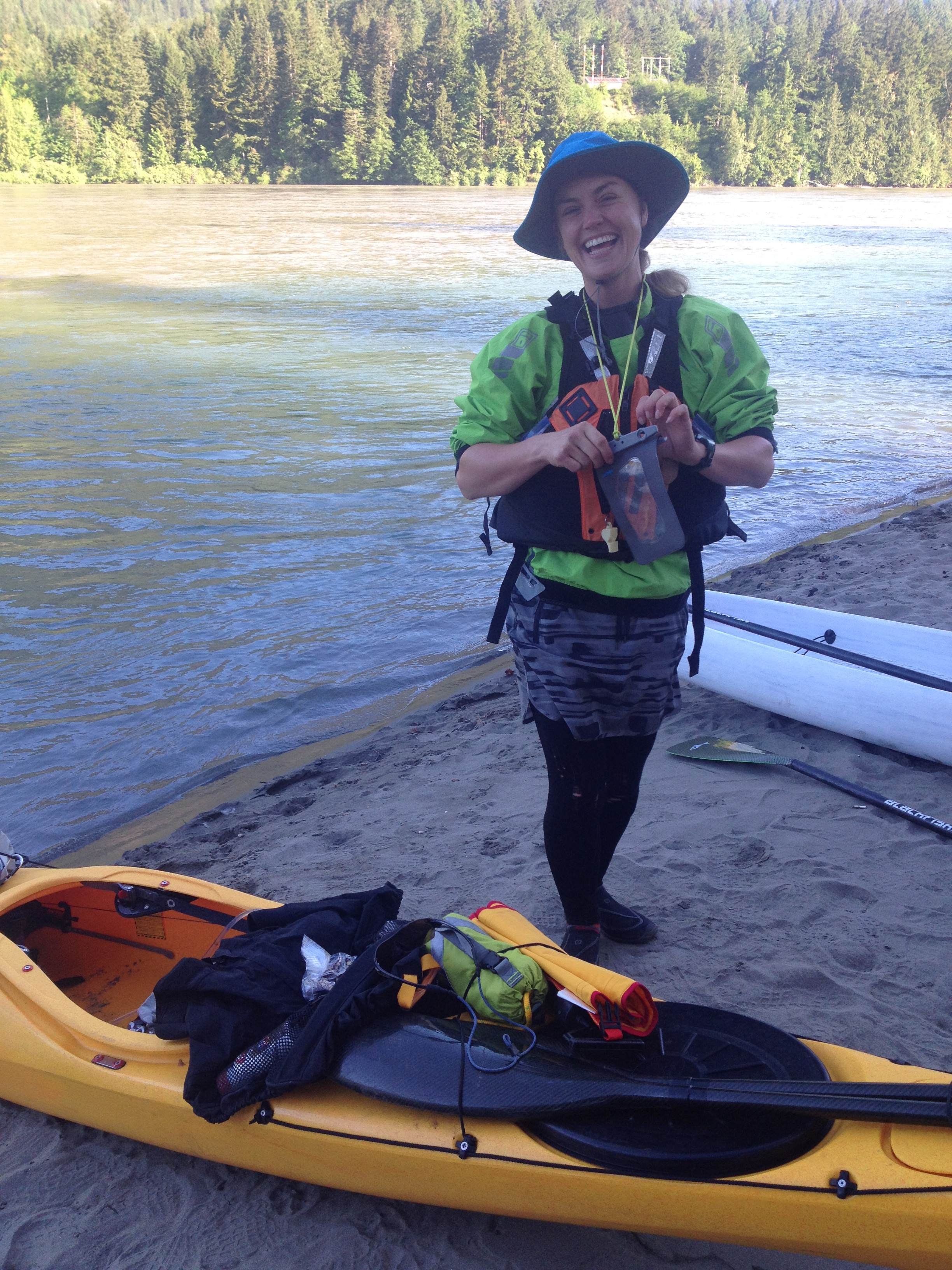
On the banks of the Fraser is Hope, getting ready to set sail
I paddled alongside my friend Jason who is also going to tackle the Yukon, but he’s going to do it standing on a SUP (stand up paddle board), which makes what I’m doing look easy (except for the welts on my backside caused by my heavily protruding seat, which he won’t need to contend with).
Seat cushion: Therm-a-Rest Z Seat
We weren’t out to set any records; the exercise was purely to test our systems, get out on a river, and spend as much time as possible on the water. Even the preparation I did the night before was invaluable, and I can now say I’m relatively dialled in when it comes to my systems in the boat, provided the boat I’m actually paddling in the Yukon can store my gear the same way as my big steady plastic boat.
Video:
Here is a list of things I still have to figure out before the race:
My nylon spray skirt with the convenient zipper eventually lets water through and may drive me crazy
I need drip rings for my paddle to stop cold water running into the sleeves of my rain jacket and chilling me to the bone when the wind picks up
I need to figure out a better way to mount my Go Pro, or find a new camera solution altogether
I may need a new seat cushion option (although the seat of the Epic 18 may be more forgiving)
I’m going to consider repositioning my urinal device from behind my seat to a more accessible location
I could barely reach my thermos in my deck bag (and after 11 hours the soup was only just warm enough to drink)
My rain hat performs terribly in the wind
I may need thicker leggings (I’m using the ones I slept in on the PCT which have more holes than actual material left).
My food for the first 13 hours (half a packet of Fig Newtons, gummy worms, boiled mini potatoes, three soft boiled eggs, Boost nutritional drink with extra calories, two cliff bars, a few sips of soup, stick of cheese, half a squeeze tube of baby food).
Ziplock bag duct taped inside the open neoprene pocket of my PFD
I’ll post a full gear and food list once they’re complete, but for now, here’s a snapshot from the day (when the camera actually decided to work!)
I paddled over 100km this week and am feeling in good shape both physically and mentally. Last Saturday I paddled with my friends Dave and Amber on Howe Sound where we witnessed a bear and its two cubs feeding directly on the shoreline (video on my training page). Then on Monday I took out the surf ski again on English Bay and tested out the sound quality of the Go Pro I’m borrowing. The waterproof case muffles the sound completely so I’m going to have to find a better solution for videos during the race.
My friend Pam’s husband Jim came to Vancouver on Sunday and gave my friend Jason (who’s doing the race on a SUP) and me maps of the river, allowing us to copy his markings for where the fastest currents are. As the river gets closer to Dawson it widens and turns into a maze of channels weaving between islands, so having these maps combined with my GPS will be key. Jim knows every eddy and shallow sand bank to avoid, but just knowing which direction to head in is enough for me!
Two of the fifty pages of maps for the Yukon River between Whitehorse and Dawson City
On Tuesday night I raced in Deep Cove completing the 5km time trial in 29:29.9 and placing 23rd overall. Not bad for the slower boat I was paddling, which was classed as a sea kayak although I was paddling a slower and more stable Epic V6 surf ski. Then on Thursday night we did it all again in the Big Chop race down on English Bay where I paddled Daryl’s Think Eze (the owner of Think who lent me his demo Powerwing Paddle). I wasn’t too far off the pace, even though my boat was taking on water because I’d forgotten to take out the plug so it could pump itself out!
Heading out of Deep Cove
Then finally today Jason and I launched from Deep Cove and paddled 37km to the old power station and then back towards Port Moody before rounding a tanker and heading back towards the cove. My wrist and elbow niggled a little, but with the new Powerwing Paddle and better body rotation, I seem to be using my stronger leg and torso muscles and reducing the strain on the weaker ones.
After 6 hours on the water today I decided to film the procedure of how I get my 27kg (59 pound) boat back onto my car. I realised half way through it was full of water before a man offered to help me and I politely refused!
Three years ago on this day I was setting up camp, and actually by this time passed out at Houser Creek on Day 1 of the PCT. 15 out of 2,663 miles behind me on my way towards Canada. I didn’t know back then that three years later I’d be in Canada reminiscing about that day whilst preparing for my next adventure on the water!
Me, Rollup and Pac Man at Hauser Creek (Mile 15 of the PCT) – April 15, 2013
Before the trail if my feet, ankles, knees or hips so much as ached I’d begin to worry, much like now with any pain in my shoulders, elbows, wrists or hands. Both journeys require full body mobility… but the PCT required strong legs and feet like the Yukon River Quest requires strength in the upper body and arms.
On Tuesday night I raced well despite the thunder and lightning that whipped through the sky creating an eerie glow under the low hanging clouds of Deep Cove. I found the loud crack thrilling and an incentive to paddle harder while some opted to turn around and head back to shore. Luckily I was already on the leg back, trailing a guy by a boat’s length on a surf ski that was trying to stay ahead of me the whole race (and I think for the sake of his ego luckily did).
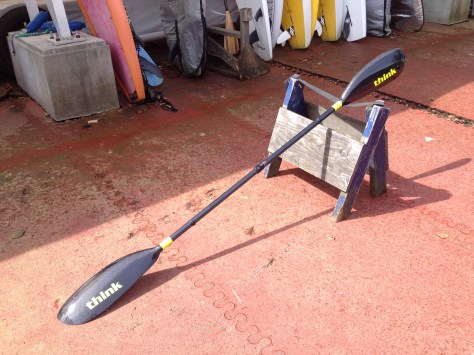
Daryl Remmler, owner of Think Kayaks kindly lent me a Think Powerwing Paddle, and it was definitely my secret weapon for keeping up with the faster high performance kayaks that evening. When I initially held the paddle in my hands it felt like a feather compared to the heavier and much larger fibreglass blade I’ve been using in my training. I took advice from some of the top paddlers and feathered the blade right 45 degrees and then hit the water to test it out.
I was gobsmacked, literally giggling to myself as it felt like there was nothing in my hands at all with the blade cutting smoothly through the water with little to no effort. I could paddle at least twice as fast and felt like I was almost cheating; though it didn’t seem to give me the same power as my larger blade. With the correct technique I’m assured I will get as much (if not more) power from the smaller blade as I do with the larger one, and it should help prevent all the wrist and elbow issues I’ve been having. For now the paddle is on loan… and thankfully Daryl said he’s in no hurry to get it back. I’m not sure if I can stretch the loan all the way to July, but that paddle is going to play a key role in helping me get all the way to Dawson City!
Drying out the powerwing blade after my paddle on English Bay
Yesterday I tested out the paddle again down at Vanier Park through the choppy waters of English Bay. I was shocked that I didn’t fall in, but thanks to the fast boat and small blades I was able to make my 8-9km circuit in around an hour.
Tomorrow I’m off to paddle with a couple of friends around Anvil Island in Howe Sound. I’ll be back in my big heavy plastic boat with my new loaner Go Pro from my friend Dave (who has pretty much given me or lent me most of my gear) and my newly ordered boat attachment suction cap from Kayalu so I can finally capture some action shots. I’ll let you know how it goes!
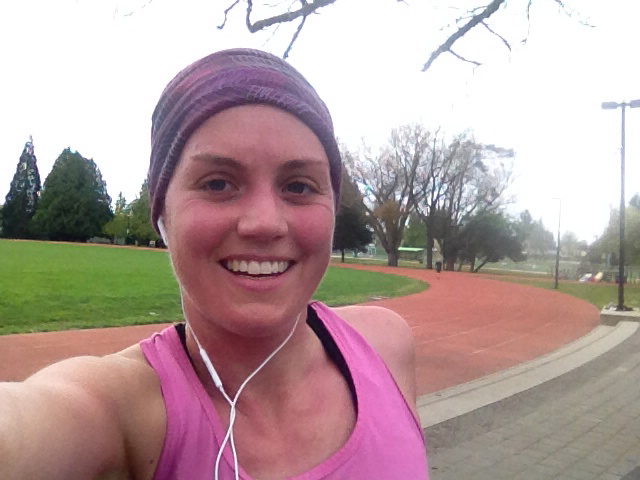
Though I didn’t paddle today, I had a very enlightening training session on the running track instead. I was up later than usual last night after a friend popped by with three large bottles of beer and some leftover chocolates from Easter. First mistake! I slept around 6.5 hours, scoffed a banana and some Zeal wellness blend and off I trod with the intention of running for an hour or 10km before paddling later this afternoon.
There were the usual characters at the running track when I arrived around 9:30am. The kids doing sprint practise, the elderly men who stray between lanes as they shuffle forward, the women who do Tai Chi and then walk in one long line crossing four lanes, and the men who usually do the same but in the opposite direction (though today they were all just sunning themselves on the sideline).
After five minutes of running the pain in my right knee that has troubled me for the last couples of months flared up expectedly. I’ve found that stretching helps, and I even rubbed some good old analgesic lotion that Dr Sole gave me on the PCT around the joint. Once the knee settled and I found my rhythm I clocked an hour and figured I’d just keep going. The longest I’ve ever run is 13km, and that was about two weeks ago. I’ve never been into running because I never believed I could run. I would always get an incurable stitch after five minutes and even if I were able to get rid of it, I’d rarely make it 5km. Running simply felt like a horrible chore that only elite athletes or crazy people enjoyed. But when I decided to try running as part of my training back in February, the first time I hit the track I ran for an hour non-stop, which made me wonder if it’s just mind over matter or simply dependant on how fit I am.
By 90 minutes I was up to 16km, which made me believe I could push a little further and reach the distance of a half marathon (21km). The sun was out, I was sweating profusely, but I didn’t feel at all thirsty and stopped only for a few arbitrary sips of my water bottle, (which was sat beside the group of men on the park bench watching me run in circles). The onset of hunger came on hard but eventually disappeared, as I had nothing with me to eat. Then after 128 minutes and 54 laps of the 400m track, I’d suddenly run my first half marathon of 21.6 km.
I drank some water, stretched, and walked home feeling a million bucks. I had some Zeal protein powder, soaked my legs in a tub of Epson salts and then went about my business. Twenty minutes later I realised I was starving. I cooked up some oats, covered them with flax, chia seeds, hemp hearts, raisins and maple syrup and began eating, but halfway through my stomach somersaulted and I started feeling terrible. I stopped eating, rested my head upon my desk and took in some slow breaths before my body took to the floor where I shot this video.
I still had wild hopes of making it down to the water to paddle but my body was having none of it. After two unpleasant trips to the bathroom I went to sleep for an hour and then slowly made my way to the shop to buy some electrolytes. The whole experience was enlightening for two main reasons. Firstly because I was able to push myself a lot further than expected while finding a comfortable zone where I felt I could have run for much longer if I had food.
And the second and more important lesson was that no matter how good I might feel, the body still requires constant care to function. I always eat and drink plenty of water on my longer 5-6 hour paddles, so I’d never experienced something like this before. I have to say I’m incredibly grateful that it happened to me now. It was a timely reminder and a wake up call so I can adapt my behaviour for my upcoming training sessions.
The next time I’ll paddle will be at the weekly Tuesday Night Race (TNR) series over at Deep Cove. I paddled the Epic 18x performance kayak last week, which is similar to what I’m hoping to paddle in the Yukon River Quest. It felt great, and I wasn’t too far off the pace of the fastest women who were paddling slightly faster surf skis. The Epic 18x feels similar to a surf ski in the way the rudder is controlled by pedals directly above the centre of the footplate. The pedals of most sea kayaks are angled to the side, which means your legs are bent at a strange angle instead of resting straight. I still need to confirm my boat rental, my paddle, the majority of my gear and my food. Pretty much everything, other than my training which continues to tick over.
The Epic 18x
I was at the gym rowing on Saturday night, went for a long walk on Friday, have been doing Pilates once a week and the rest of the time I’ve been working and figuring out logistics, gear and food for the race. It’s a part time job on top of my other part time job so the weeks are filling up fast and time seems to be flying. By the end of this week I at least want to have my clothing sorted!
Until next time, thanks for following the journey!
I’ve really enjoyed taking a break from the online world this year. It’s helped me refocus internally, figure out my priorities, learn what makes me tick (again), and gear up for the biggest challenge I’ve ever set myself without the added pressure of talking about it.
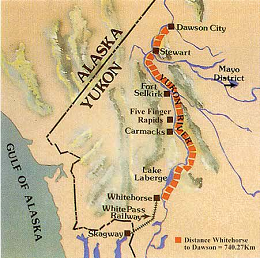
At the end of June (29th to be precise) I will set off amongst 99 other boats in the world’s longest annual canoe and kayak race: The Yukon River Quest – 715 km (444 miles) from Whitehorse to Dawson City in the Yukon, Canada. It’s termed ‘a race to the midnight sun’, because competitors paddle day and night while the sun never sets to complete the distance in less than 74 hours (3 days).
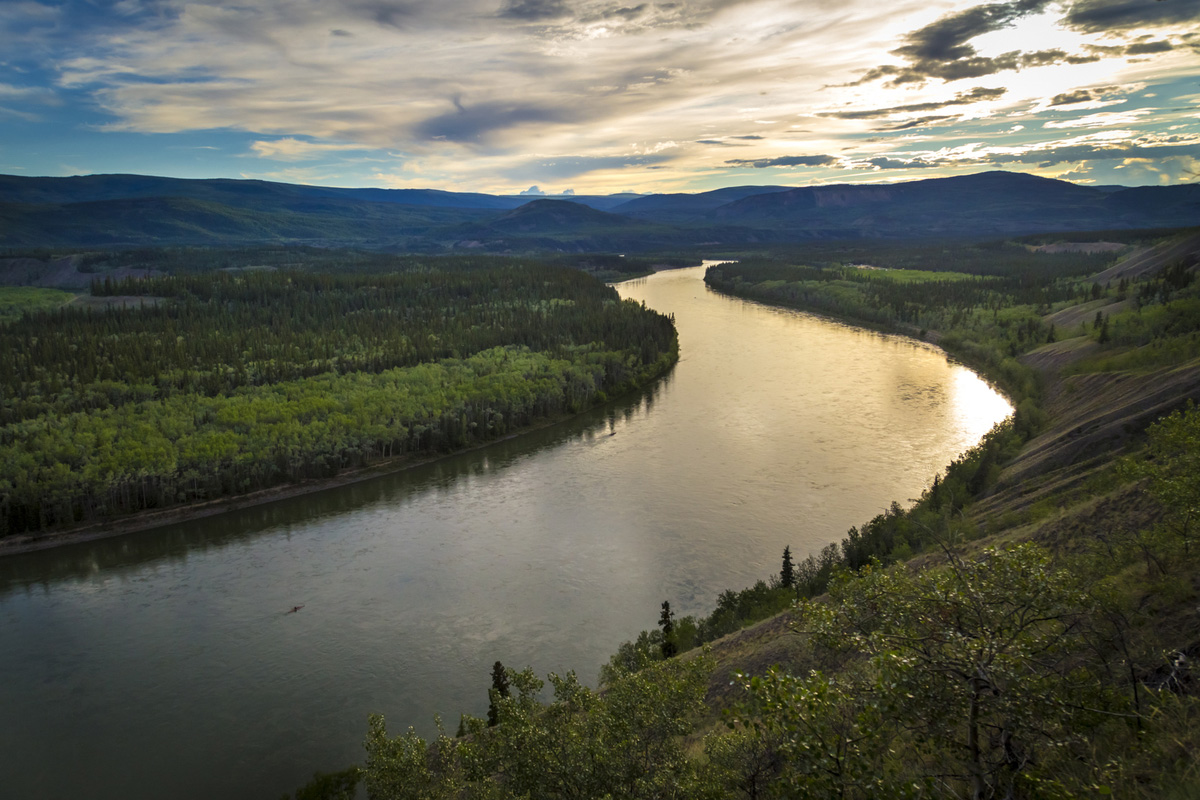
The route itself is not difficult, minus one class 2 rapid and the sheer size of the river; meaning tourists can rent a boat and make their way downstream in a period of around two weeks. The challenge of the Yukon River Quest however is the pace at which it’s undertaken. It’s a test of endurance both physically and mentally, which is why it captured my attention almost eight years ago when I first heard about it.
Joel Krahn Photography/joelkrahn.com
The race includes one mandatory 7-hour layover at the halfway point in Carmacks, and another 3-hour layover around 100 km from the end. For the rest of the race you eat, pee, stretch, and change clothes etc from inside your boat. Because the river is so wide with a steady flow once you cross Lake Laberge (which some of you may recognise from Robert Service poems), valuable time is lost every time you vacate your boat. I’ve heard stories from past racers who don’t even pee until they reach Carmacks (25-35 hours in), but these people are seasoned racers with bladders of steel, and I can assure you I’m not in that category yet.
There are three cut-off points one must meet throughout the journey. The end of Lake Laberge (80 km into the race in 14 hours), the halfway point in Carmacks (358 km into the race in 35 hours), and the end in Dawson City (715 km in 84 hours – including the 10-hours of layover time). Essentially the race begins at 12:00 on Wednesday the 29th of June in Whitehorse, and ends by 23:59 on Saturday the 2nd of July in Dawson City.
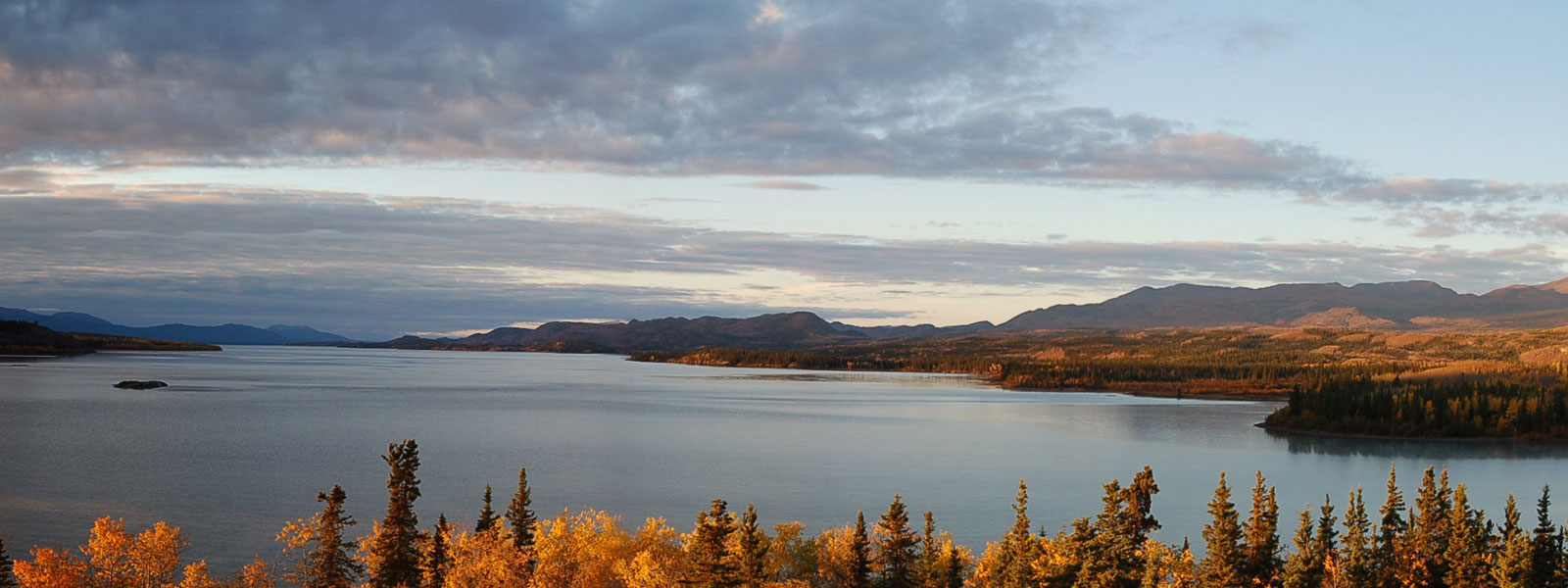
Lake Laberge
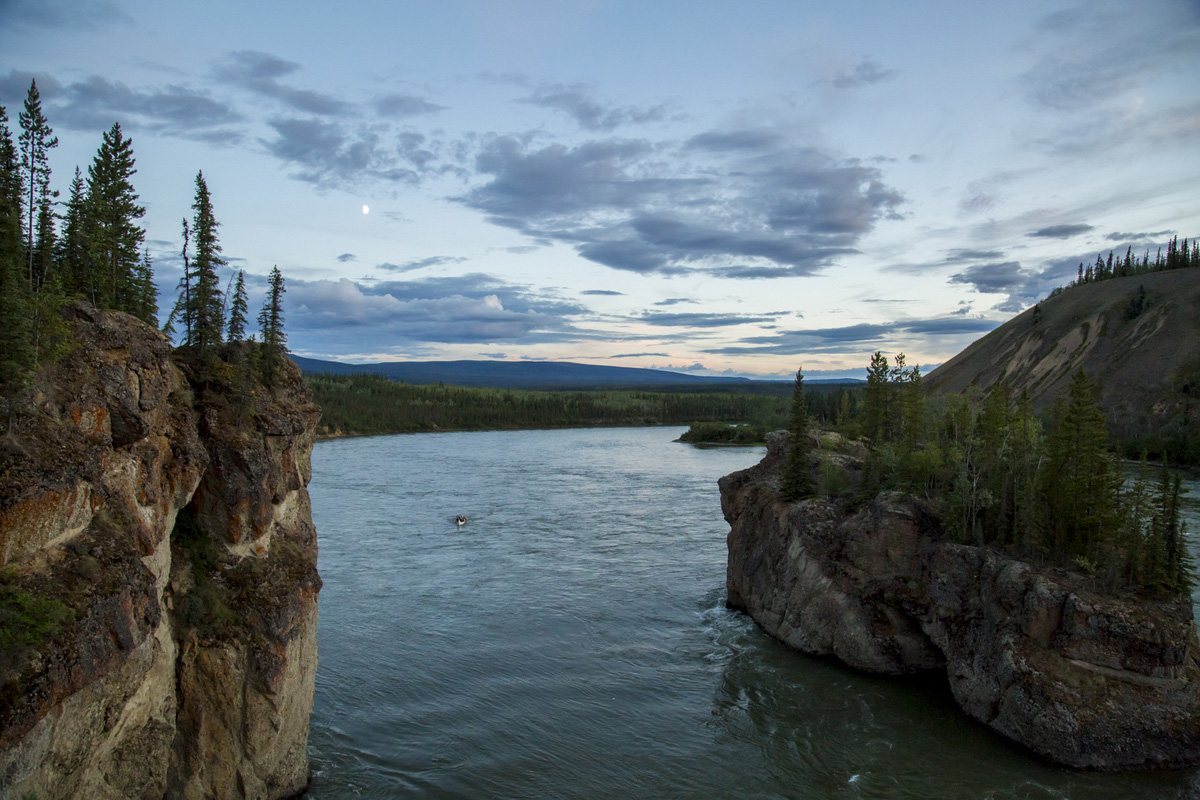
Though the race travels with the flow of the river, Lake Laberge is one the biggest challenges at the beginning of the race. It’s 50 km long, and racers have been known to experience fierce head winds and up to 3-foot waves as they cross the exposed body of water. Five Finger Rapids (the class 2) has also been known to trip up paddlers, but hypothermia is the biggest reason for people not to finish (caused by extreme exhaustion, sleep deprivation and below zero temperatures throughout the evenings).
To be quite honest it’s taken me three months of training and conditioning to convince myself that I may actually have a chance of completing it. I’ve never been so haunted by the idea of failure before, and I think it’s because I’ve never set myself a challenge that’s been so far beyond what I know I’m capable of. I was nervous about not making the summit when I hiked Mount Kilimanjaro in 2011, and I worried daily that perhaps I wouldn’t complete the Pacific Crest Trail because of injury or weather in 2013. But this new adventure has me digging deep into places I’ve never explored before to convince myself that I haven’t bitten off more than I can chew this time!
DeAgostini/Getty Images
I officially decided I would do the race on December 30 2015, a few days after meeting with my dear friend Pam (who I worked with during the Vancouver 2010 Olympic Torch Relay, and who has completed the race on multiple occasions with her husband Jim). Like the Pacific Crest Trail, I learned about the Yukon River Quest back in 2008, and ever since then it’s casually been on my ‘to do list’, alongside learning guitar and becoming fluent in Spanish.
Originally I naively thought the race ran over seven days, and when I learned it was only three my head began spinning. I’m not sure I’ve quite come to terms with how people can paddle for three days straight with almost zero sleep, other than the fact I’ve spoken to those who’ve done it. Hallucinations are a given, and some paddlers have been known to head back upstream thinking they’ve actually crossed the finish line before ending the race. Some have been rudely awaken after capsizing in the water, and some have simply been woken by the sound of their head banging against their deck. I’ve been told around 30% of paddlers quit after reaching Carmacks, which is a feat in itself, and what amazes me is that people are able to hit the water again after paddling 25-35 hours straight and do it all over.
Joel Krahn Photography/joelkrahn.com
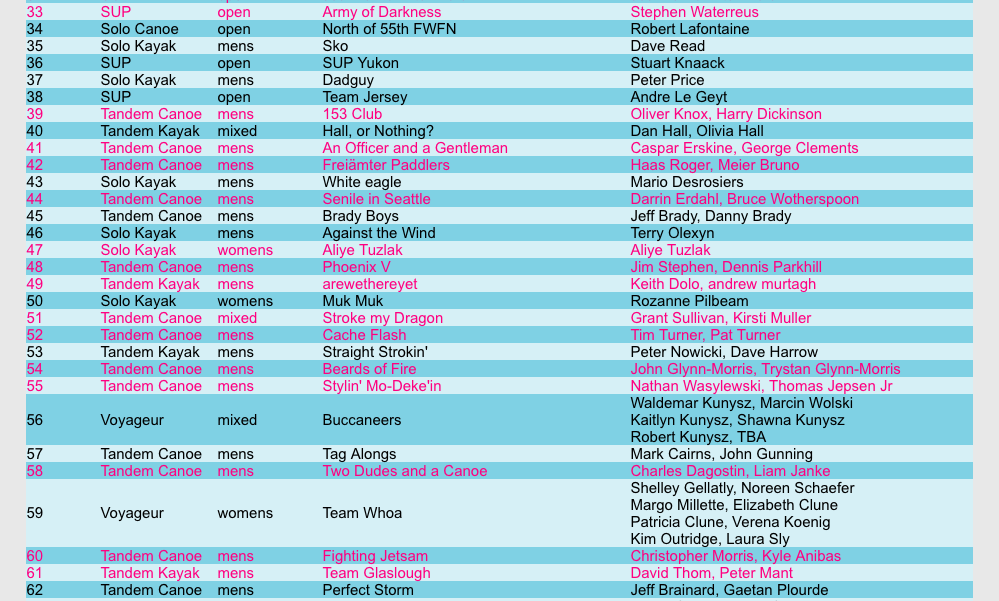
The race includes solo and tandem kayaks and canoes, larger voyager canoes (6 or more people), and for the first time ever stand up paddle boards (SUPs). I’ve chosen to paddle a solo kayak, and out of the 100 boats entered in the race (maximum number of entrants reached in March), there is only one other female solo kayaker included. Paddling solo is certainly the toughest way to race, as there’s no one to keep you awake or continue paddling when you’re eating, peeing etc. Plus it can also be a very lonely race, because when the pack spreads out beyond the lake, you may seldom see another boat.
I’m boat #50 – Team Name: Muk Muk
Though I haven’t been recording my preparations in written form, I’ve been keeping video diaries like the one below from various training sessions since January. I plan to continue posting these on my Training page, and will be updating the YRQ 2016 tab with more information on gear and food choices prior to the race. The logistics are as challenging as the physical training – but I’ll do my best to record both (in case the YRQ 2017 is on your bucket list!)
I’ve been lying on my friend Sue’s couch whose house and rabbit I’m looking after while she’s down in Mexico, re-reading Wild which I picked up again last year as a fix of trail nostalgia. I’ve been picking up on so many details that hadn’t jumped out at me before I hiked the trail, and no, I still haven’t seen the movie, though I seem to be saving it like a bottle of wine or a block of cheese that I’m hoping will improve with age.
The reflection of raindrops outside the window was casting shadows across the pages as I read, and as Cheryl arrived at Crater Lake, which seems to be such a turning point along the PCT for many thru-hikers, my mind turned to Otter, and I immediately jumped up to see if there were any updates posted on his website.
I’ve been in contact with his sister Miranda recently, and I know she’s planning to post an update shortly as the conditions will soon allow hikers wishing to participate in the search to access the trail. I will post these updates on my blog once they’ve been published, but I recommend remaining updated via thesearchforotter.wordpress.com or their Facebook page.
It’s been a while since I’ve written. Probably the longest stretch since I started blogging before the trail in January of 2013. I received a wonderful email recently from one of my readers who clearly didn’t want to pry, but was curious as to what I’ve been up to this year. When January 1st ticked over I asked myself why I needed to post my life online for other people to read. I’m sure there’s many deep seeded reasons behind it which could be analysed to death, but I was doing it because I wanted to, because I enjoyed sharing what was going on inside my head and recognising through people’s comments that I wasn’t alone in my complexities.
This year I haven’t spent as many lonely nights sitting in front my laptop brewing on philosophies about what I’m thinking and feeling. I’ve just been living and working hard on various projects, while my world has become increasingly simple and small. I exist mostly within a 10km radius of Vancouver, and although I recently bit the bullet and purchased a car, I’ve only sat behind the wheel twice as I still much prefer to ride my bike around town. I know I’ll use it for trips outside the city once the weather improves, but for now the best thing about owning a car is that I’m no longer searching for one.
On a reconnaissance of the Vancouver Marathon route last night, (which I’m working on NOT running in), I discovered parts of the city around UBC (the University of British Columbia), which I’d never explored before. There are miles of trails through the preserved forest hugging the shores of the Georgia Strait, and I couldn’t believe I’d never thought to visit the area before. Pre-car, if an area was too far to bike to, it remained off the radar unless someone else was driving. But all of a sudden I realised my 10km radius has now expanded with infinite possibilities (within Canada), and truthfully it actually made me nervous.
My mum described me as a bird with clipped wings last year because of my residency requirements, which are forcing me to remain in Canada until I can renew my permanent residency. At times I guess I’ve felt like a caged bird, especially not being able to go back to Australia for Christmas or my best friend’s wedding later this month. But after almost a year I’ve started to get used to my surroundings, so much so I don’t feel like I’m in a cage anymore. It feels more like a safety net, where I can predict what’s going to happen and what I’m going to experience around each and every corner.
What I find fascinating about this analogy is now that the door of the cage has been pried open even just a little by the reality of owning a car; I’m hesitant to break out of my safety bubble. For someone who previously had almost limitless boundaries, I was shocked to admit to myself that I’ve developed some form of clipped wing syndrome (which is my own definition of a condition I’m sure exists), and was so astonished by it that I was compelled to write it down. I know this will disappear the moment I venture out beyond my regular boundaries, but it amazed me that I could experience such a thing, and it made me realise what adaptable creatures we are to our environments and routines.
My theory is that it takes one month to get used to a new job or environment, and three months to actually feel comfortable. After a year that job or place becomes the norm, and then to change it again that cycle just repeats itself. I love now having a place I call home and a job where my colleagues have become friends. I love working in an industry I’m passionate about and also, though I sometimes panic about the deterioration of my bank account, I love that I’m forced to live simply and that I’ve developed a heightened appreciation for everything life offers me.
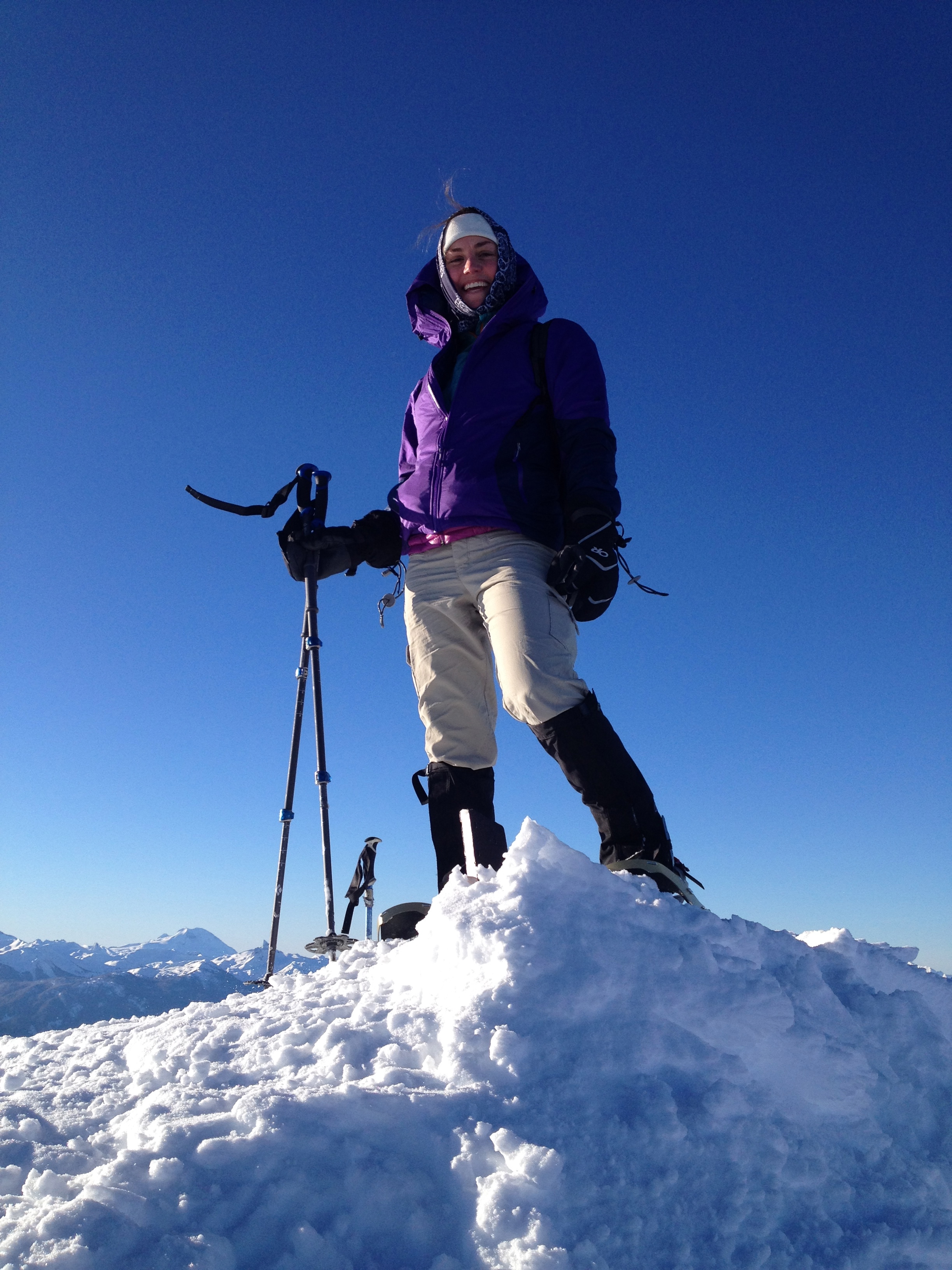
To answer the question of what I’ve been up to this year, I’ve shared a video below of the most magical field trip I experienced with work last month (outside of my 10km radius!). We hiked to the summit of Rainbow Mountain from Whistler Olympic Park in the Callahan Valley, and it was the first night I’ve ever camped on snow and slept at -15 degrees. I’m not in a hurry to do it again, but experiencing sunrise during our climb to the summit was breathtaking, and well worth the restless night of sleep.
Yesterday I was made aware that a fellow thru-hiker and dear friend from the Pacific Crest Trail in 2013 is currently missing.
Steven Olshansky, better known as ‘The Otter’, was last seen on November 14, 2015, being dropped off by friends at Cumbres Pass in Colorado (near the border of New Mexico) on the Continental Divide Trail (CDT). He was heading south on the CDT towards Ghost Ranch, expecting to be out of service for 2-2.5 weeks, but never arrived to pick up his resupply and has not been in contact with family or friends since.
It is difficult for search and rescue to access all parts of the trail during winter, though some areas have been searched on foot and by snowmobile. Family and friends have also been following a number of unconfirmed leads of possible sightings in CDT trail towns including Cuba, Grants and Lordsburg, New Mexico, and off trail near Springerville, Arizona. But there have been no possible sightings since January 5, 2016.
Otter has hiked all three of the long distance trails that constitute the ‘Triple Crown’ of hiking in the United States: the PCT, CDT and AT (Appalachian Trail) multiple times and is a very experienced hiker. It is out of character for him to be out of contact for so long with his family and friends while on trail.
Otter is 59-years-old, 6-feet tall and 175 pounds, has grey hair and a beard, and was last seen wearing beige pants, a green baseball cap, and a blue jacket. He also has a black-and-red quarter-zip pullover and usually camps in a six-foot red-and-grey teepee-styled tent.
Otter’s friend Peter has set up a website: thesearchforotter.wordpress.com and a Facebook page where you can find the latest updates from his search and provide any information you may have about his whereabouts. For anyone who is willing and able to assist in the search for Otter, please read the guidelines posted by his family on their website. The most important thing is that all searchers stay safe.
Anyone who has seen a hiker matching Otter’s description in the past eight weeks, or has any information on his whereabouts, please call the family 24/7 at 800-444-1011 (ask for Peter). You can also use the contact form on his website or comment on his Facebook page.
Please also spread the word and share this information as far and wide as you possibly can. Thank you on behalf of his father Mark, sister Miranda and brother Neil, and his childhood friend Peter.
The New Year rolled in a few nights ago and despite spending a very relaxed night at home in front of my laptop, I was not inspired to write a ‘year that was’ or a ‘this is what 2016 has in store’ or a ‘reflection of the state of the world’ post or anything that happened to be floating around in my complicated head.
I’m happy to report that since that evening I’ve experienced the same non-desire. No inspiration to write or to say anything. I’ve been purely and utterly content with leaving the page blank. And you know what, it feels fucking great.
Instead of asking myself ‘why’, I’m just allowing it to be. I did enough thinking and soul searching in 2015 to fill this year’s quota too. I got lost in so many mazes of questions about who I should be and what I should be doing and what path my life is on and where my future should be heading. I let my thoughts lead me down winding roads that had no direction or destination, jumped into the thick of emotions and tried to rationalise my way out, bought into confusion, contemplated morals, and searched and hunted for meaning like it was a rare beast about to be extinct. And then I tried to explain it all in words to other human beings who were on their own spiralling roads with no direction or destination wondering where the hell they’re going and trying to catch that same elusive beast as me.
I asked so many questions I didn’t even allow for life to present me with the answers.
So today, when once again that niggling reminder of ‘my blog’ resurfaced, knocking on my door like an impatient editor looking at me expectantly with a questioning ‘well?’ poised on their lips, I felt like saying, “Look. I’ve got nothing that needs to be said, or shared or thought right now. I’m just fine, thank you very much.” And then in my self-derived scene of imagination I slam the door shut, dust off my hands and go back to drinking my warm cup of tea.
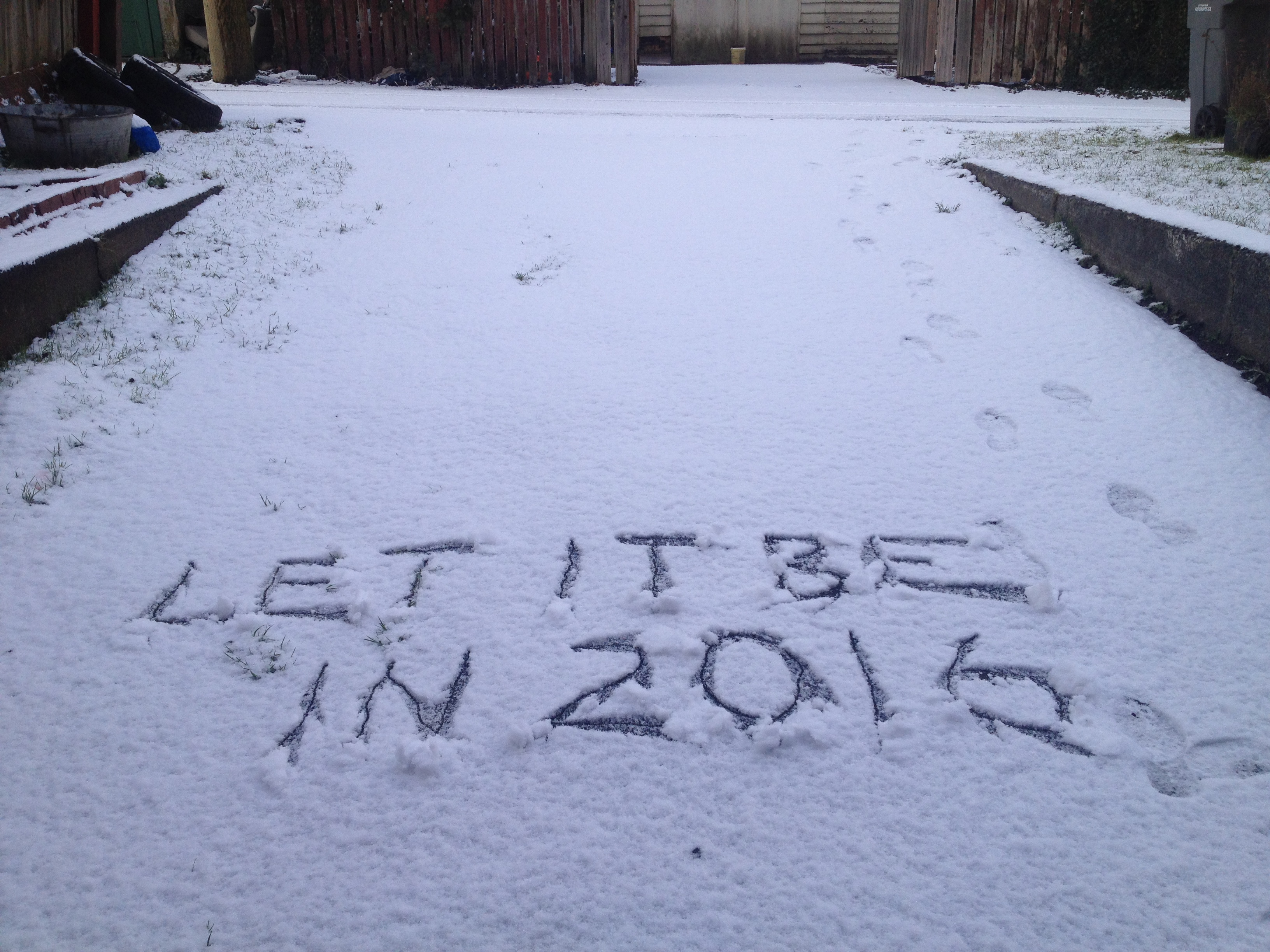
My New Year’s resolution for 2016 just kind of hit me in the face like a snowball of clarity. It wasn’t an answer, a voice, or the beast I’ve been hunting getting its own back. It was a feeling of calmness. A realisation that I don’t need to chase every question that pops into my head, shave and expose it to the world in the hope that everyone reading can dissect and understand it the same way as me.
I realised I’m actually happy where I am in life, with what’s happening around me and where I’m heading. I know 2016 is going to be an epic year, and I’m ready for what it has to throw at me both emotionally and physically. I guess my ‘realisation’ if you want to call it that, was that I’m simply happy to just let it happen without too many questions and analysis and metaphors and the requirement of tying it all together with a bow and then putting it on display for the world to see.
I think I just need to chill out and let things be and enjoy life and stop taking everything so seriously and stop asking so many fucking questions. Yes Pac Man, you heard me, I want to stop thinking for a while and let my brain go on a well-deserved holiday.
I was also somewhat surprised to discover that I felt happy to relinquish the gratification of having my voice heard, the feeling that I’m speaking words people may actually want to read. It’s certainly not the only reason I write thankfully, but let’s not fool ourselves into thinking that recognition doesn’t play a big part. I write to empty myself of emotion, and I could easily do that in a journal that I keep tucked beneath my bed. But I don’t. I leave that journal in the living room and on the kitchen table and at a bus station and in some stranger’s mailbox hoping that someone will sneak a peek. Or better still, I find that someone has written a message at the bottom telling me how much they loved my writing and how well they connected with my thoughts and ideas. Ridiculous right?
Well, welcome to the world of blogging!
Don’t panic though; I’m not exactly going anywhere. My ego is far too needy for that! Plus that niggling editor is likely to come back knocking at my door offering praise and acknowledgment when all those burning questions and thoughts storm my conscience like a squadron of militia and I simply have to release them by writing it all down.
But I thought it was neat all the same, that at the beginning of this New Year, all I really wanted to say was that I don’t feel the need to say anything at all.
Discovering what it means to be alive, one step at a time…








 Serial Nomad